
The figures vary, but approximately 360 million people in the world speak English as their first language and another 430 million as a second language. It is estimated that there are 1.5 billion students of English worldwide, and English speakers can be found in nearly all countries. So how did this lingua franca get to this point? Read on and find out.
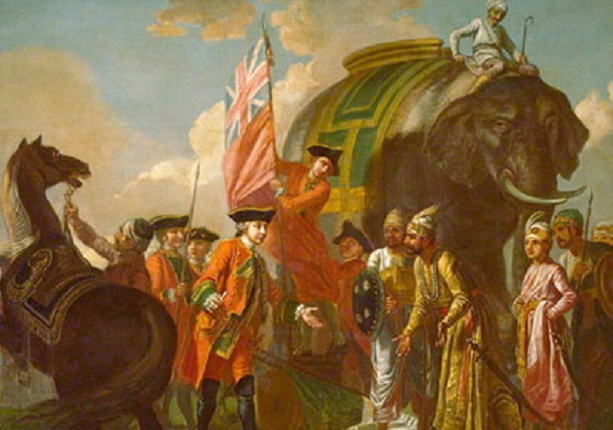
First, the British Empire has a lot to do with the spread of English around the world. At its peak, around the First World War, the British Empire was the largest to have ever existed. It covered about 25% of the world’s land surface, with a population of around 412 million, 23% of the world’s population at that time. British rulers in these colonies and territories made people speak English instead of their native tongue. Although little remains today of this empire, the language has left an inedible mark on trade, business, education, science, tourism, and media.
Second, in 1803, the United States bought the Louisiana Territory from France for 15 million dollars, nearly doubling the size of the country and making English dominant over French in the US. The rapidly growing influence of the US in the 20th century gave the English language an incredible push in many areas, and this effect is still with us today.
English is the language of the Internet, with more than 50% of sites using English as the content language, although the presence of other languages such as Chinese, Russian, and Spanish is rapidly growing. This also drives the use of the language in fields like marketing and advertising, communication and media, and, of course, business and commerce. In science, the number of papers and journals written in English far outweighs those in other languages. And if you work in the travel and tourism sector, or if you’re a journalist, then speaking English is essential for your job.
So what are you waiting for? Invest in yourself and your future, and upgrade your English!
Comentarios recientes